A common pitfall for organizations is
overemphasizing a particular set of tools as the cornerstone of improvement
efforts. Tools provide answers to "how" but do not address the
crucial question of "why."
Without a clear understanding of the
"why," team members may find themselves relying on instructions,
unable to take proactive action or make independent decisions
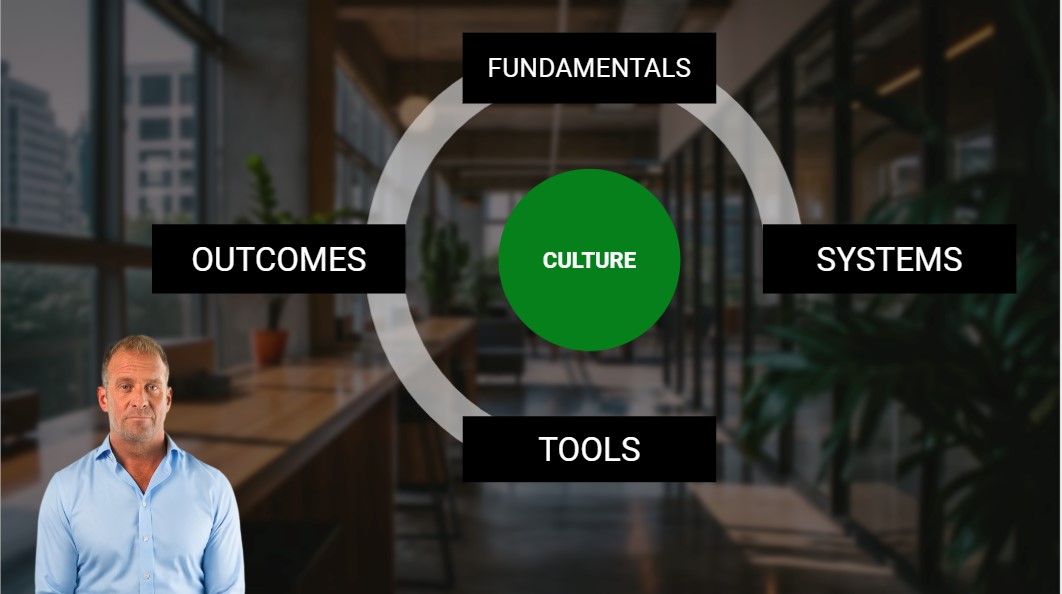
A thriving enterprise is typically composed of intricate systems, layered with interconnected subsystems. Each subsystem is equipped with the essential tools to drive the system toward success. Success is measured not only by performance outcomes but also by the behaviours and practices that sustain long-term excellence.
Leadership often prioritizes what is widely seen as their primary responsibility: achieving results, typically measured through key performance indicators (KPIs). While it’s crucial for an organization to deliver strong performance outcomes, it's equally important to view value through the eyes of the customer, not just from the perspective of enterprise leadership. However, relying solely on lagging KPIs as indicators of success can inadvertently turn them into measures of behaviour and, by extension, the organization’s culture
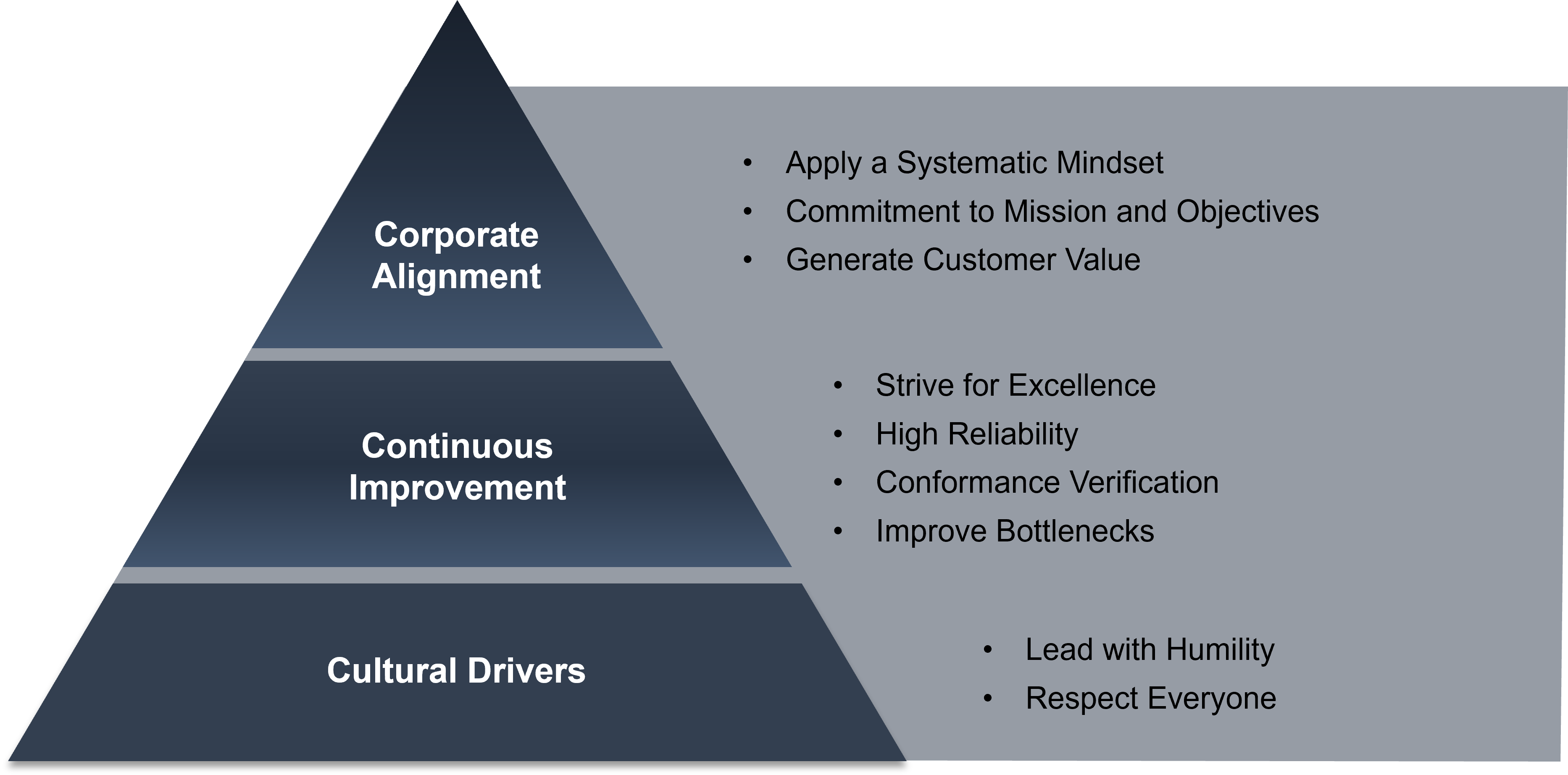
Culture is the bedrock of any enterprise, serving as the core of the entire framework. For true organizational excellence, all Business Fundamentals must be deeply ingrained in the culture. These principles shape ideal behaviours, which in turn become the behavioural goals of the organization. Achieving cultural transformation requires a fundamental shift in behaviours, driven by systems that align with these principles.